
Open vs. Enclosed Car Transport: Which Option Is Right for You?
Choosing between open and enclosed car transport is an important decision when planning to ship a vehicle.
Both transportation methods are widely used, but they differ in cost, exposure to outdoor conditions, carrier capacity, and suitability for certain types of vehicles.
Understanding these differences can help you select the shipping option that best matches your needs.
What Is Open Car Transport?
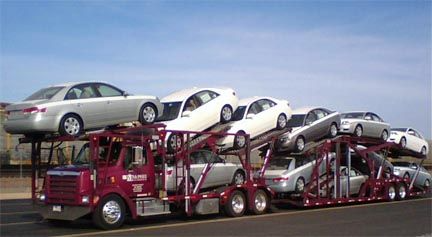
Open car transport involves moving vehicles on specialized trailers that are exposed to outdoor conditions.
These trailers commonly carry multiple automobiles, making open shipping a practical and economical transportation method.
Open carriers are frequently used to transport sedans, SUVs, pickup trucks, and other everyday vehicles.
Because open transportation is widely used, customers may find more scheduling options along established routes.
What Is Enclosed Car Transport?
Enclosed car transport involves shipping vehicles inside covered trailers.
The enclosed structure helps reduce exposure to rain, dust, windblown debris, and other environmental conditions.
This transportation method is frequently selected for luxury automobiles, classic cars, exotic vehicles, and collector vehicles.
Some enclosed carriers also offer equipment designed for vehicles with specialized loading requirements.
Comparing Shipping Costs
Open transportation is generally more affordable because open trailers can carry multiple vehicles.
Enclosed shipping typically has higher transportation costs due to reduced trailer capacity and specialized equipment.
For customers shipping standard passenger vehicles, open transportation often provides a reasonable balance of cost and convenience.
For valuable or collectible automobiles, enclosed transportation may offer additional protection worth considering.
Comparing Vehicle Protection
Both open and enclosed carriers use procedures and equipment intended for vehicle transportation.
The main difference is exposure to outdoor conditions.
Open trailers leave vehicles exposed to weather and road environments.
Enclosed trailers provide a physical barrier against many of these conditions.
However, neither method guarantees that transportation risks will be completely eliminated.
Customers should review the carrier’s insurance information and shipping terms before confirming a shipment.
Comparing Availability
Open carriers commonly operate along major transportation corridors and may offer broader route availability.
Enclosed carriers may be less common on certain routes, particularly when specialized equipment is required.
Scheduling flexibility can help customers explore available transportation options.
Which Vehicles Are Best for Open Transport?
Open shipping is commonly suitable for everyday sedans, family SUVs, pickup trucks, minivans, and standard passenger vehicles.
It is often selected for relocations, dealership deliveries, and routine vehicle transportation.
Which Vehicles Are Best for Enclosed Transport?
Enclosed shipping may be preferred for restored classics, luxury cars, exotic automobiles, collector vehicles, and cars with specialty finishes.
Vehicle dimensions and loading requirements should always be discussed before scheduling.
How to Choose the Right Shipping Method
Consider your vehicle’s value, condition, and transportation requirements.
Next, evaluate your budget and preferred level of protection.
Finally, compare carrier availability and estimated delivery schedules.
The best option is the one that provides an appropriate balance of affordability, protection, and convenience for your specific vehicle.
Explore Car Shipping Options in Playa Del Rey
Playa del Rey Car Nexus Transport helps customers review open and enclosed vehicle transportation options for shipments involving Southern California and interstate destinations.
Whether you are shipping an everyday commuter or a valuable collector vehicle, understanding the differences between carrier types can help you make a confident decision.
Call (424) 373-5279 to discuss your vehicle and request a shipping quote.