
How Much Does Car Shipping Cost in California? A Complete Guide
Shipping a vehicle in California can be a convenient alternative to driving it yourself, especially when moving between cities or relocating to another state. However, one of the first questions customers ask is how much auto transportation will cost.
The answer depends on several factors, including transportation distance, vehicle specifications, shipping method, seasonal demand, and carrier availability.
Understanding these variables can help you plan your budget and choose a transportation option that meets your needs.
1. Shipping Distance
Distance is one of the primary factors influencing vehicle transportation costs.
Short-distance shipments generally have lower total prices than long-distance routes. However, the cost per mile may decrease on longer shipments because certain transportation expenses are spread across a greater distance.
For example, shipping a vehicle within Southern California involves different logistical requirements than transporting a car from Los Angeles to the East Coast.
The specific pickup and delivery locations also influence the final quote.
2. Open vs. Enclosed Transportation
The type of carrier you choose can significantly affect shipping costs.
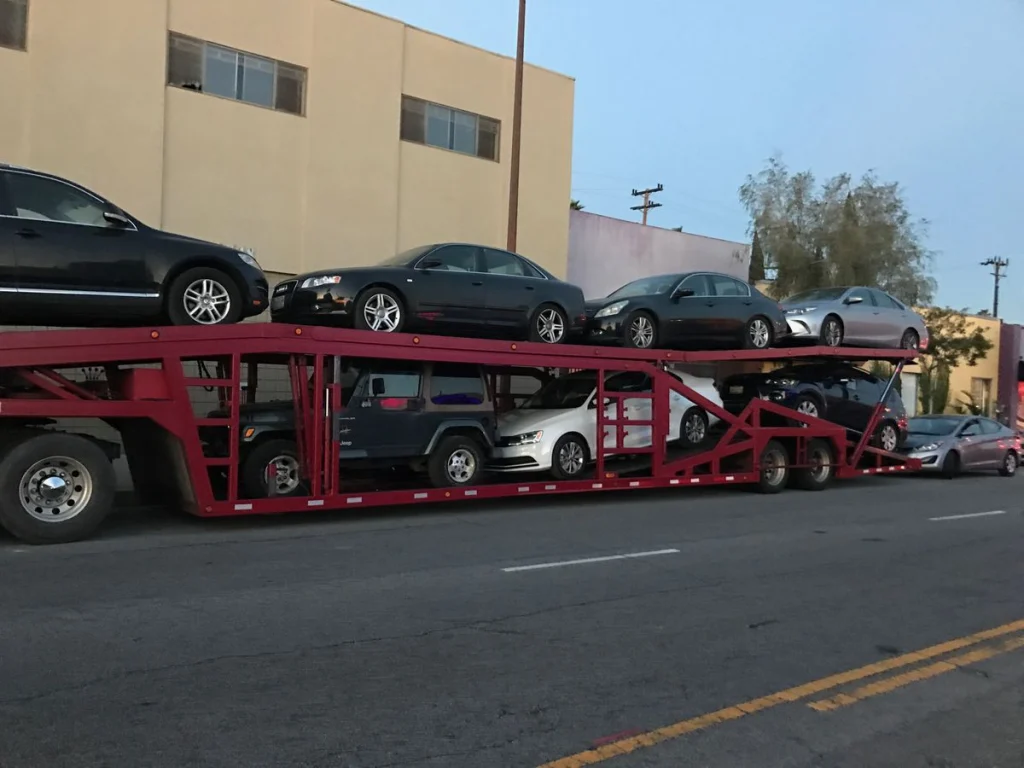
Open car transport is generally the more economical option because open trailers can accommodate multiple vehicles.
Enclosed transportation typically costs more because enclosed carriers may have lower vehicle capacity and specialized equipment.
For everyday sedans and SUVs, open transport is often a practical choice.
Owners of classic, luxury, or exotic vehicles may prefer enclosed shipping for additional protection from outdoor conditions.
3. Vehicle Size and Weight
Larger and heavier vehicles may cost more to transport because they occupy additional trailer capacity.
A compact sedan usually requires less carrier space than a large pickup truck or full-size SUV.
Vehicle modifications, unusually low ground clearance, or nonstandard dimensions may also affect equipment requirements.
Providing accurate vehicle details helps avoid unexpected transportation complications.
4. Pickup and Delivery Locations
Shipping between major metropolitan areas may provide access to more established carrier routes.
Transportation involving remote locations or difficult-to-access addresses can require additional coordination.
In some situations, arranging pickup or delivery at a nearby accessible location may improve transportation options.
5. Seasonal Demand
Vehicle shipping demand changes throughout the year.
Relocation seasons, holidays, and periods of increased travel can affect carrier availability and pricing.
Weather conditions may also influence transportation schedules.
If your shipping dates are flexible, consider discussing alternative pickup windows when requesting a quote.
6. Vehicle Condition
Operational vehicles are generally easier to load and unload using standard carrier procedures.
Vehicles that cannot be driven may require winches or other specialized loading equipment.
Always disclose the vehicle’s condition when requesting transportation pricing.
How to Plan a Cost-Effective Shipment
To make informed shipping decisions, request a detailed quote and confirm what is included.
Compare open and enclosed transportation based on your vehicle’s needs.
Provide accurate pickup and delivery information, and ask about estimated scheduling windows.
Avoid relying only on the lowest advertised price. Understanding service terms, payment requirements, and carrier arrangements is equally important.
Get a Car Shipping Quote in Playa Del Rey, CA
At Playa del Rey Car Nexus Transport, we help customers explore vehicle shipping options involving Playa Del Rey, Los Angeles, and interstate destinations.
Whether you are transporting a family sedan, SUV, pickup truck, or specialty automobile, we can discuss the factors that may influence your shipment.
Contact us at (424) 373-5279 to request a car shipping quote based on your specific transportation needs.